Creativity in times of distress

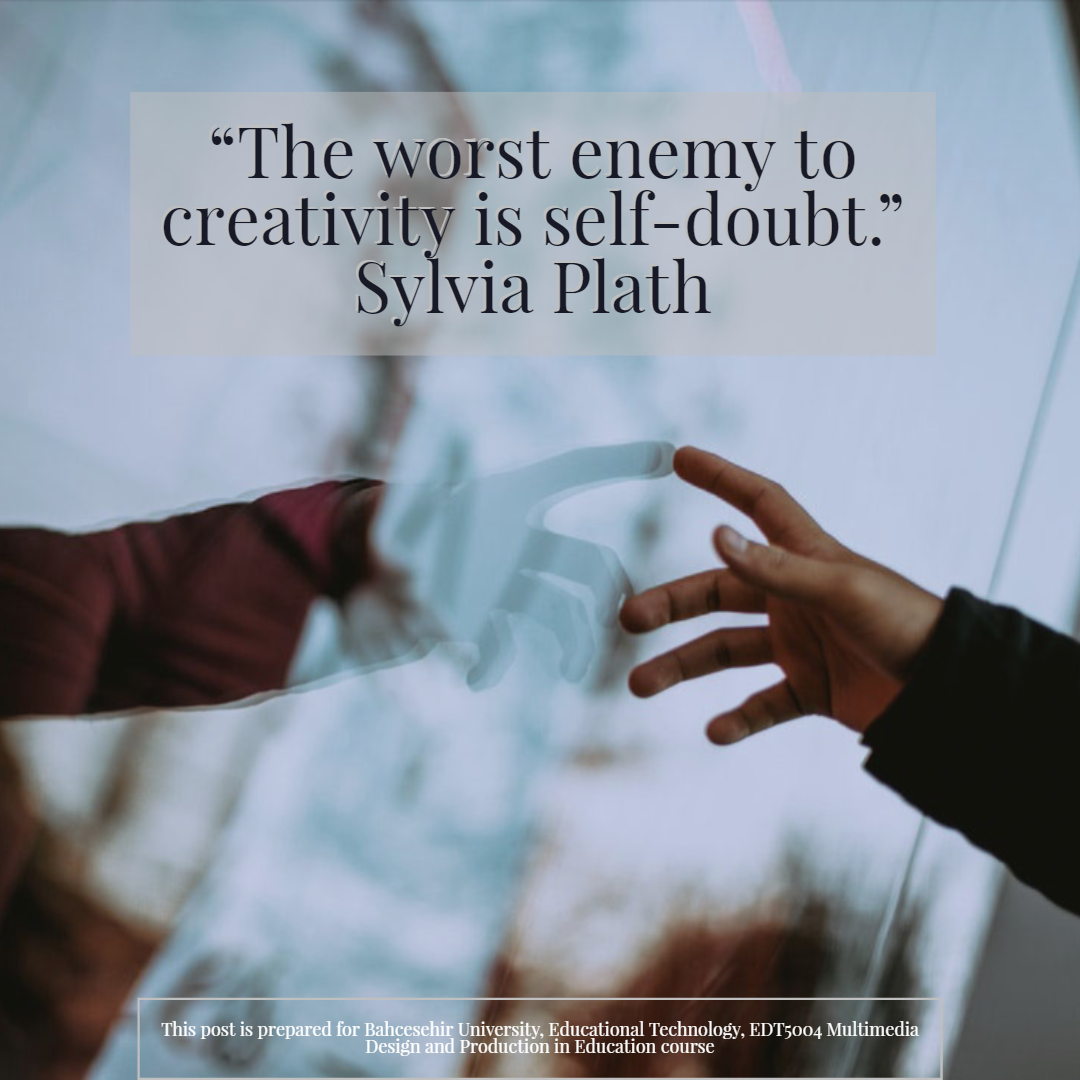
Creativity is a deeply personal endeavor. It relates to the state of our heart. It is very counter-intuitive to have a deep, crippling self-doubt. It’s one of the things that causes some sort of failure in this efficiency and schedule oriented world and it’s a form of anxiety that can happen to the best of us. When one measures and checks all their words and lines while writing, just as overthinking leads to analysis paralysis during thinking, here our incessant self-doubt and correction does the same by stopping our creative flow. Many writers recommend to not correct a writing as you go. Write down everything that comes to mind freely. Edit your first draft after you put the final dot.

Life is a balance of holding on and letting go.

Rumı

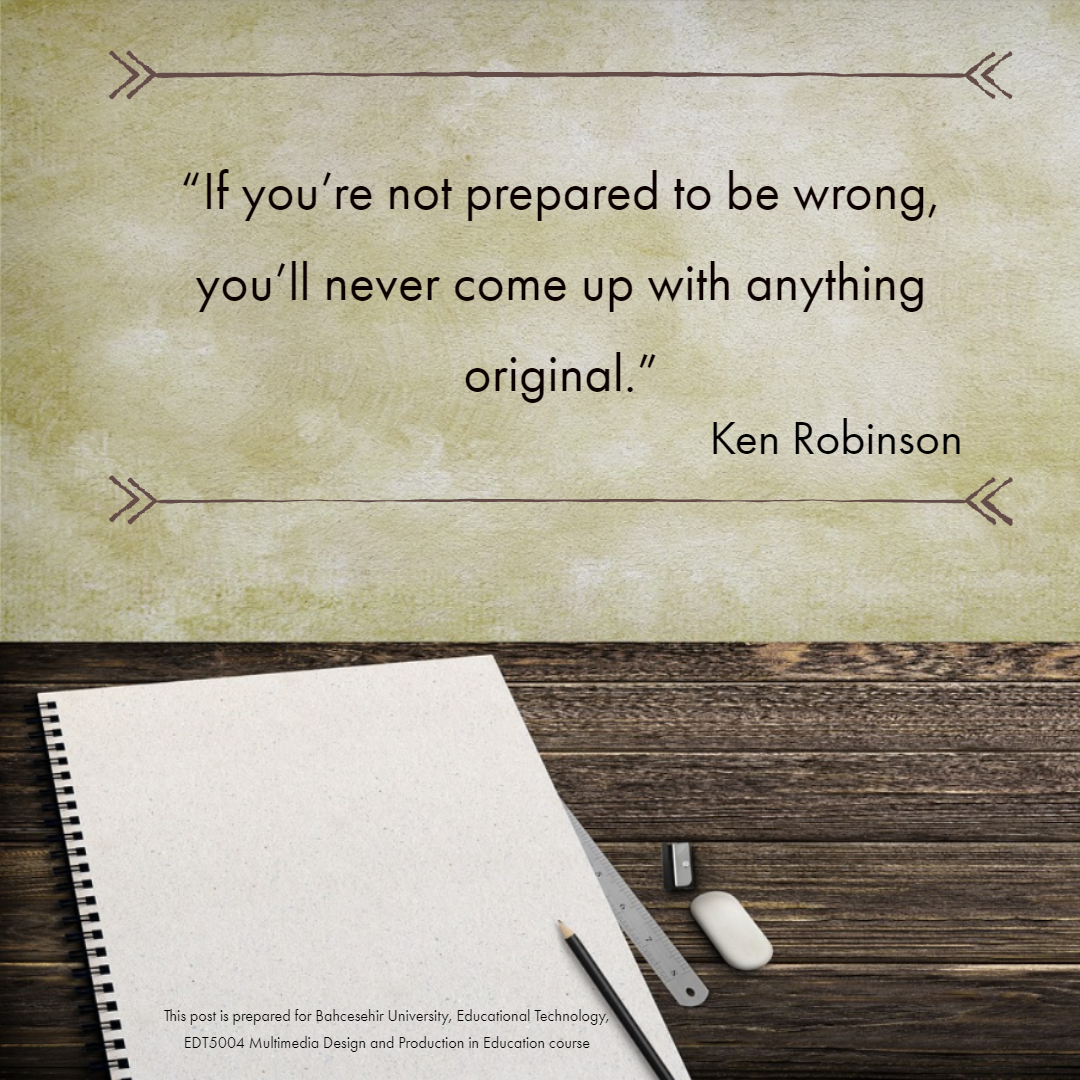
Just be who you are, read and write; draw and paint. Keep at it. Show it to your friends, teachers and share it. Take criticisms wisely, don’t just throw it away because of one harsh comment. Work on it if you think it can be improved. Seek other expert opinions. If you believe in it, then just trust and share it. As Ken Robinson says, it’s okay to be wrong, otherwise we may never create anything original. In case you’re stuck, move on to another task, or take a walk and come back and look at your work with different eyes with a calmed mind. Still, remember it’s equally fine to let go. It’s part of the process.

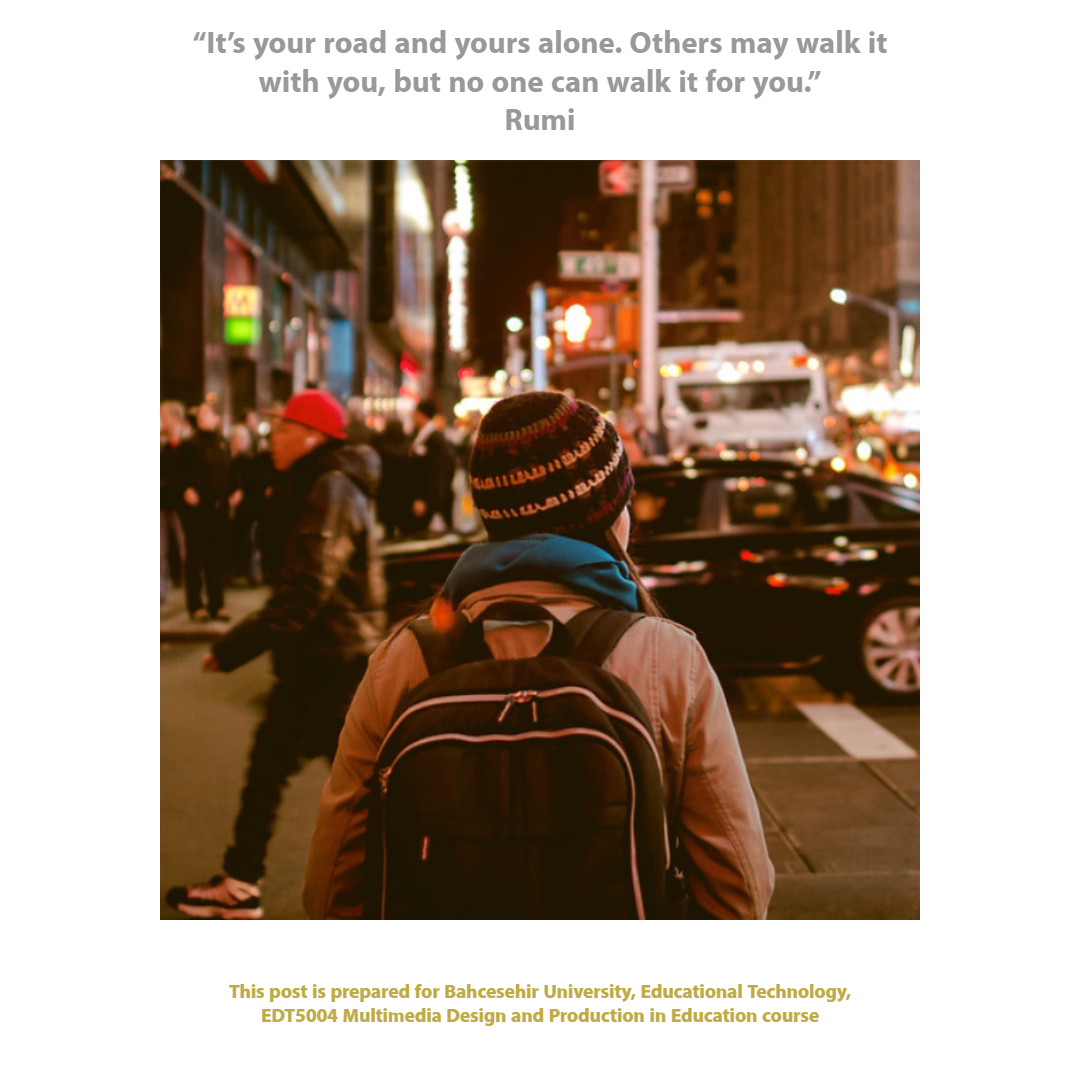
It’s your journey. And as Mawlana Celaleddin Rumi says “It’s your road and yours alone. Others may walk it with you, but no one can walk it for you.”

Into the Wild

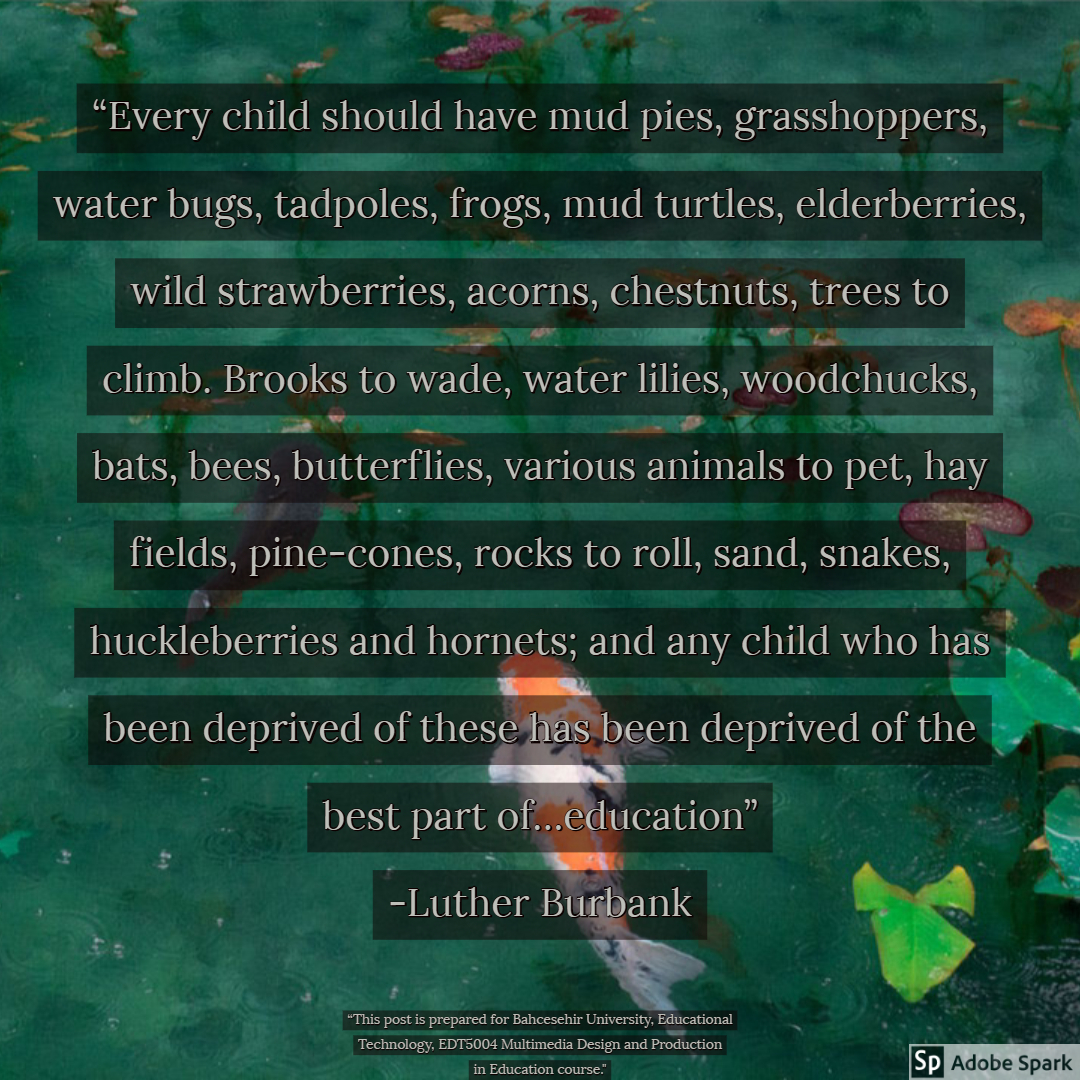
How odd but true these words rhyme in our ears, don’t they? We know how true it is, while being so distant to the nature ourselves, hiding in our apartments, looking at the pictures of trees in Instagram. We have the feeling that we should have been in and within nature, but we couldn’t have made our cities, our schools, our classrooms more alien to nature than it already is. Nature is to be appreciated only in summer vacations!.. Nature is to live with it and learn from it. Now, it’s a faraway place we saw in documentaries.

Play

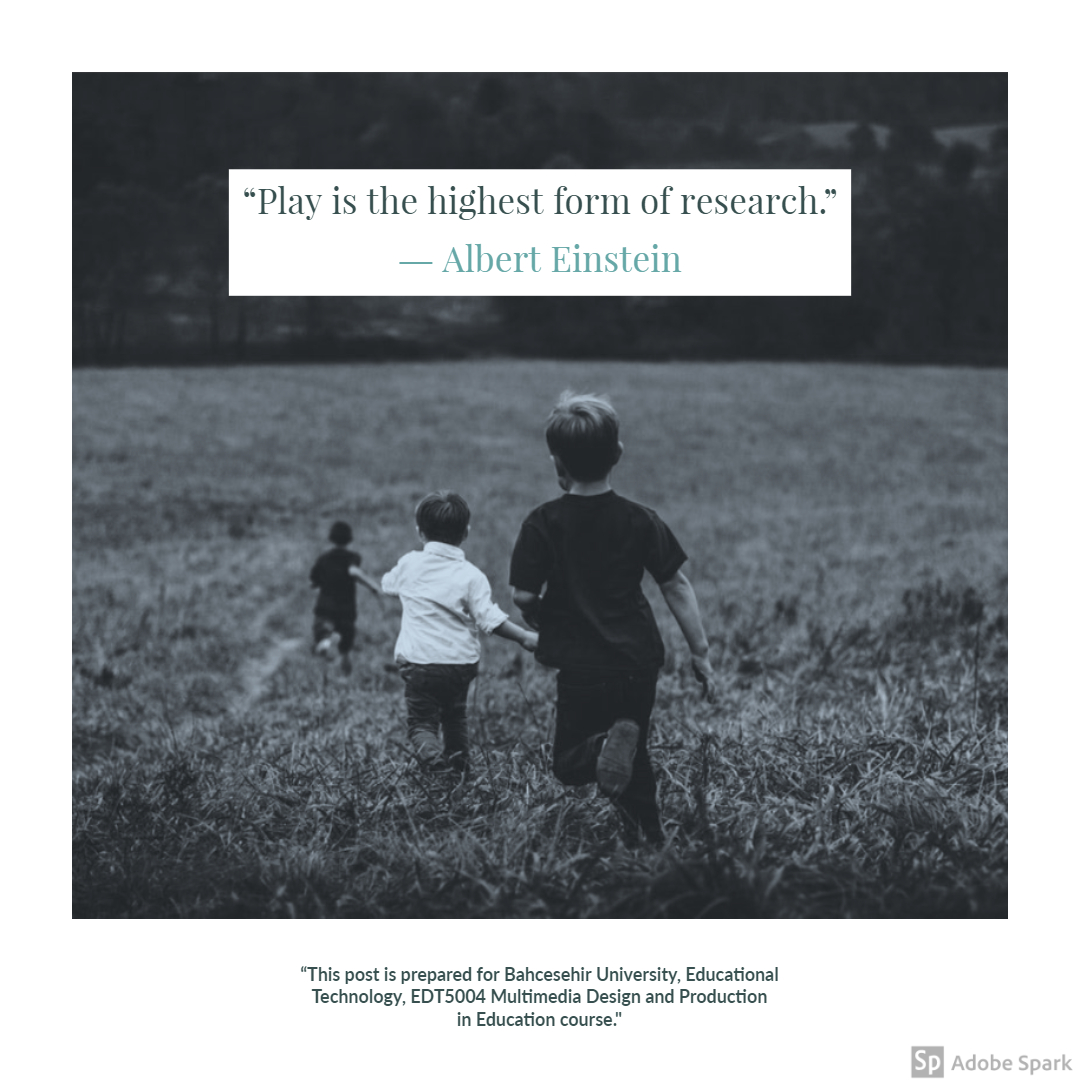
We have a tendency to separate play and education. As if education shall be much more serious and play has no place in or around classrooms, but only in breaks and school gardens. We shoo away play out of our homes as well sometimes. You can’t play here. Don’t stand on the sofa! There we took away a very important learning opportunity from our child’s hands. He was going to see the home from another perspective, wasn’t he? Like a bird he was.

Each and every one of us need play, not only children. Let’s welcome this highest form of research in our lives, in our classrooms and in our homes if we ever made the mistake of letting it go.

Changing Times

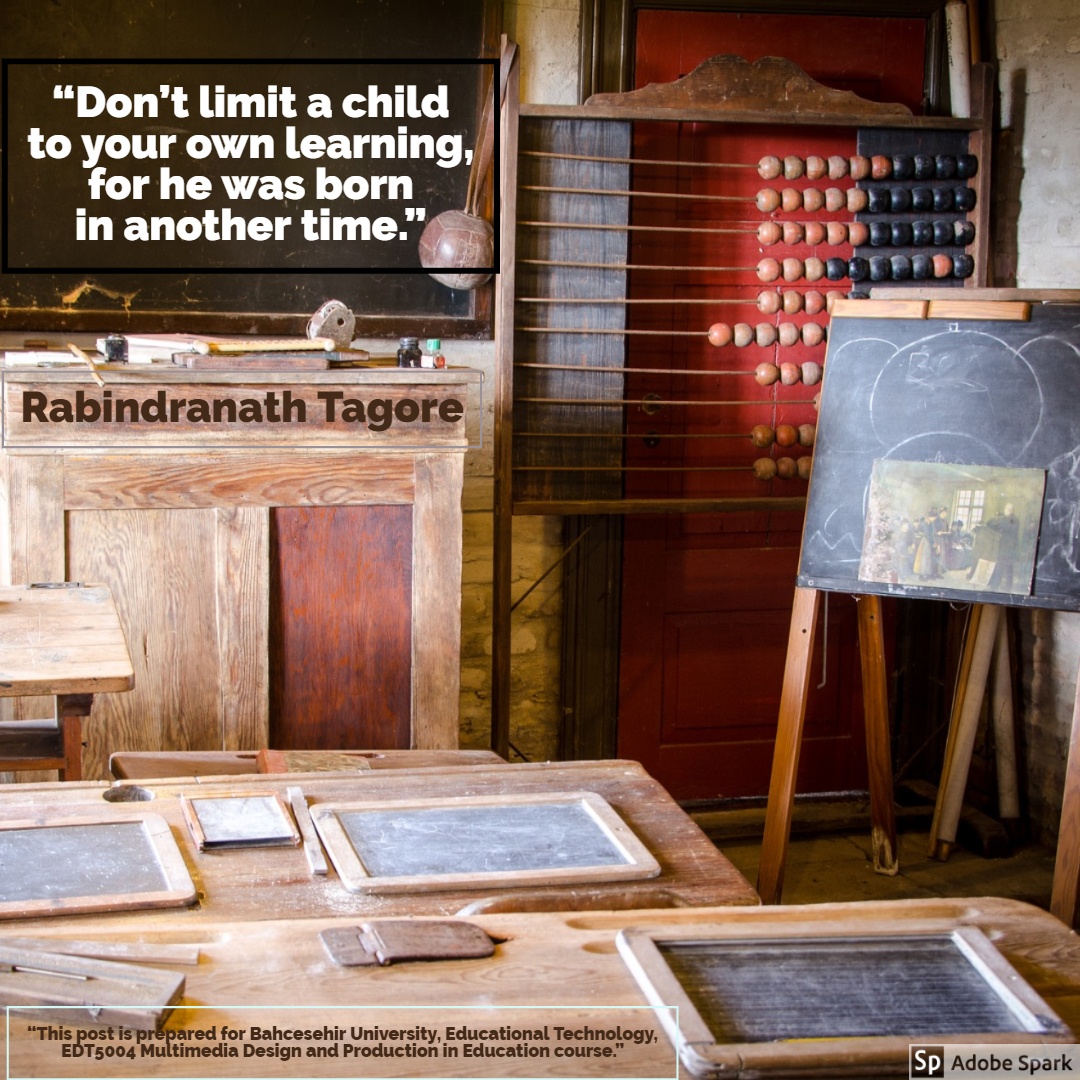
We may think that we are dwelling at the same era with our kids. We share the same time we may think. Yet, we couldn’t be so wrong. The perception of history, trends, life we and our peers have and kids of our time and their peers have couldn’t be more different. We tend to understand the generation gap vaguely, but not its consequences and effects on our way of being and acting in this world. Our kids, our students were born in another time than ours, and it’s significant and has an immense effect on education.

As a teacher or parent, we have no excuse to not know computer or internet-based technologies I believe. Or, we can’t shun ourselves from the matters of today. The best way to tap into another’s time would be to let them speak. Let your students speak, act and collaborate; learn from them as well as learn with them. Then, the rest would follow.

Web 2.0 tools for developing multimedia applications

Our presentation on web 2.0 tools for developing multimedia applications went quite well. I think one of the reasons for it, apart from the fact that we took quite a long time to prepare and create a plan, was that we were willing to let go of our plan at times for the sake of a better flow and collaboration in class. The flexibility of my group members allowed for a better interaction. It went beyond a lesson of four people to a lesson of every single person in the class. It changed, evolved and grow right in front of our eyes. It became. It was a great experience as a teacher.

Planning for your lesson is valuable, but being willing to let go of that plan is even more so.

Dr. Chrıstopher Emdın

Multimedia Learning

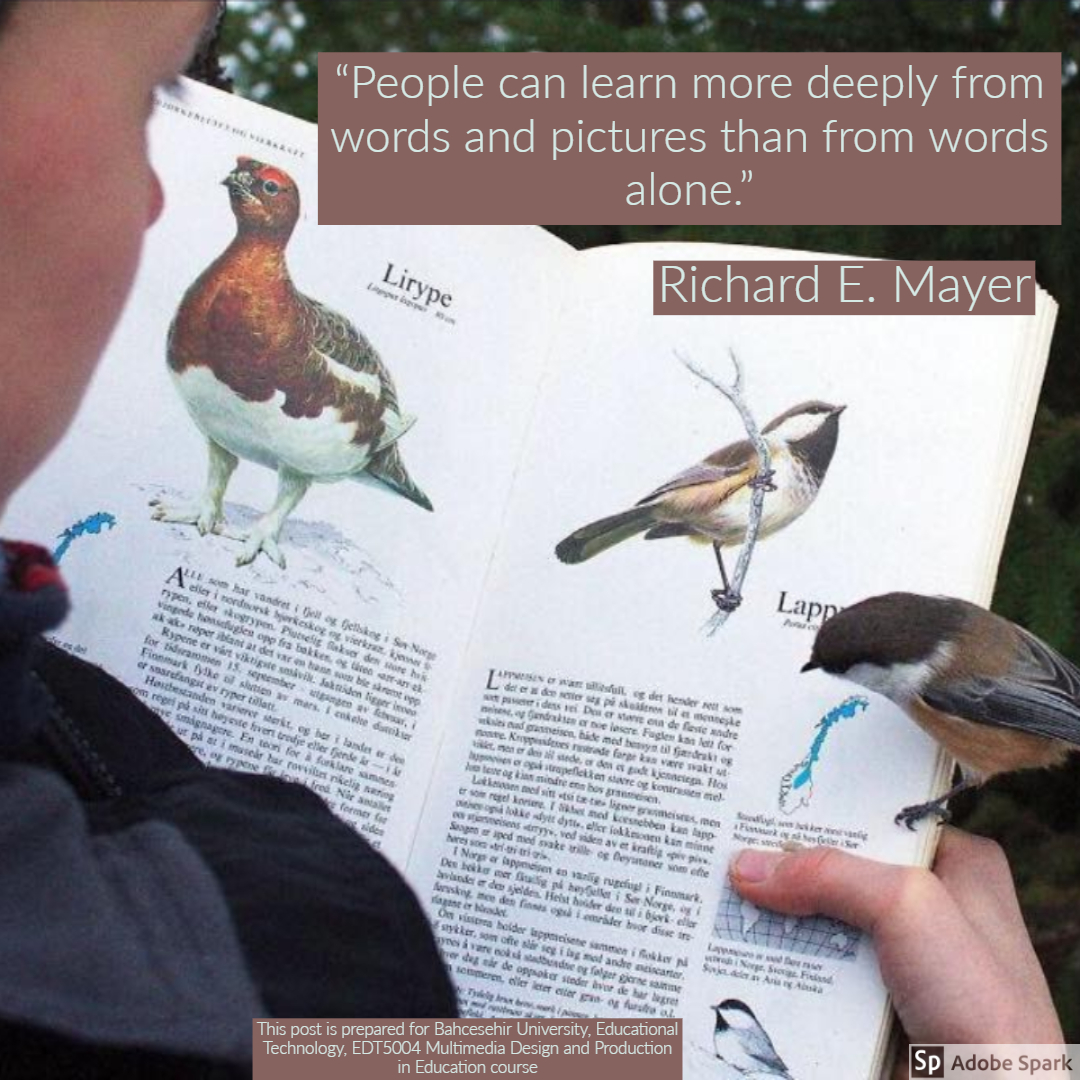
The idea that words and pictures together leads to a better and deeper learning than words alone might be a very easy thing to understand. Yet, in scientific inquiry we tend to go after these widely accepted and easily understandable notions, as time to time we realize it was something else that was having a causal relationship with the consequence we observe. We just didn’t see that link. And at times, we exaggerate or underestimate the effect of one on the other or we fabricate one when there is none. Here, I appreciate the experimental research in social sciences. It definitely has its limitations, because it’s hard to have such controlled environments in real life. Cause and effect is the most complicated in social studies and Occam’s Razor principle doesn’t work as efficiently as it does in Science. But, how are we to know that cause and effect relationship otherwise and not fell into false connections and a mere guess work.

This quote is the simplest and yet the most encompassing phrasing of the theory of Mayer. Yet, to be able to understand exactly his position one needs to read his work Multimedia Learning. And, I definitely recommend you to check the Cognitive Theory of Multimedia Learning out if you’re creating multimedia for educational or even any other purpose online. He uses a language quite easy to understand and his principles are self explanatory. You may start with the multimedia principles as a pre-training to understand the theory. Stay curious!

Learning Vertigo

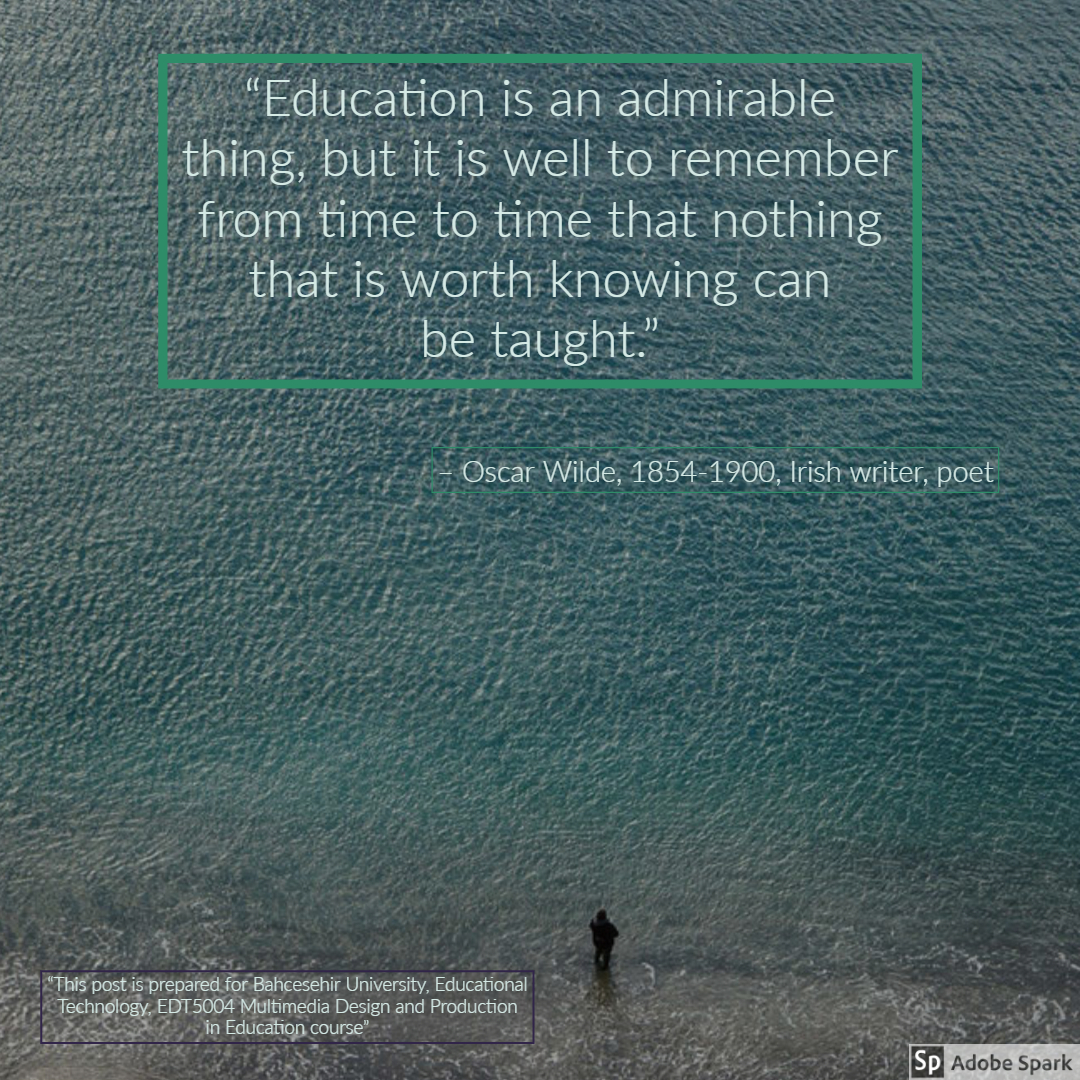
Oscar Wilde makes such a bold statement. For those in education, this may sting a little. Yet, one cannot ignore the wise suspicion in it. There is a very private side of learning. It’s individualistic even when we collaborate. We don’t share our brain nor consciousness. All the learning happens within. And, it either shows in our actions or not. The melancholic solitude in our pursuit of knowledge might have lead him to say that. Or better, the whimsical and mystical side of poetry and fiction, the deep complexity of humans and life might have made him realize this. The exploration of life and humanity always left one baffled.

Knowing our limitations would give us a better and more realistic idea of our strengths.

One may be wise to pursue the meaning of “all that’s worth knowing“. Or we should ask what does he mean by “education”. Do our definitions differ? When we focus on the limitations of scientific inquiry in exquisitely complex classrooms and lessons, we may also get some answers for his tiny warning. Knowing our limitations would give us a better and more realistic idea of our strengths. Perhaps, the bleak side of traditional education based on lectures in 19th c. compelled him to say this. I wonder what would he think if he is around today? Can we teach what is worth knowing now?

Understanding

How wonderful it is that life is full of things to learn. When we compare what we know to what we don’t know the difference is colossal. Yet, it gives a wonderful outlook to our education away from fear and resignation. You can keep on learning and researching and never run out of new things to learn. Each step would broaden your horizon and you would never be the same as you started. Under this premise and anticipation, I’d love to share with you Isaac Asimov’s wise words on the matter:

“People think of education as something that they can finish. And what’s more, when they finish, it’s a rite of passage. You’re finished with school. You’re no more a child, and therefore anything that reminds you of school – reading books, having ideas, asking questions – that’s kid’s stuff. Now you’re an adult, you don’t do that sort of thing any more.

You have everybody looking forward to no longer learning, and you make them ashamed afterward of going back to learning. If you have a system of education using computers, then anyone, any age, can learn by himself, can continue to be interested. If you enjoy learning, there’s no reason why you should stop at a given age. People don’t stop things they enjoy doing just because they reach a certain age.

What’s exciting is the actual process of broadening yourself, of knowing there’s now a little extra facet of the universe you know about and can think about and can understand. It seems to me that when it’s time to die, there would be a certain pleasure in thinking that you had utilized your life well, learned as much as you could, gathered in as much as possible of the universe, and enjoyed it. There’s only this one universe and only this one lifetime to try to grasp it. And while it is inconceivable that anyone can grasp more than a tiny portion of it, at least you can do that much. What a tragedy just to pass through and get nothing out of it.”

Isaac asımov

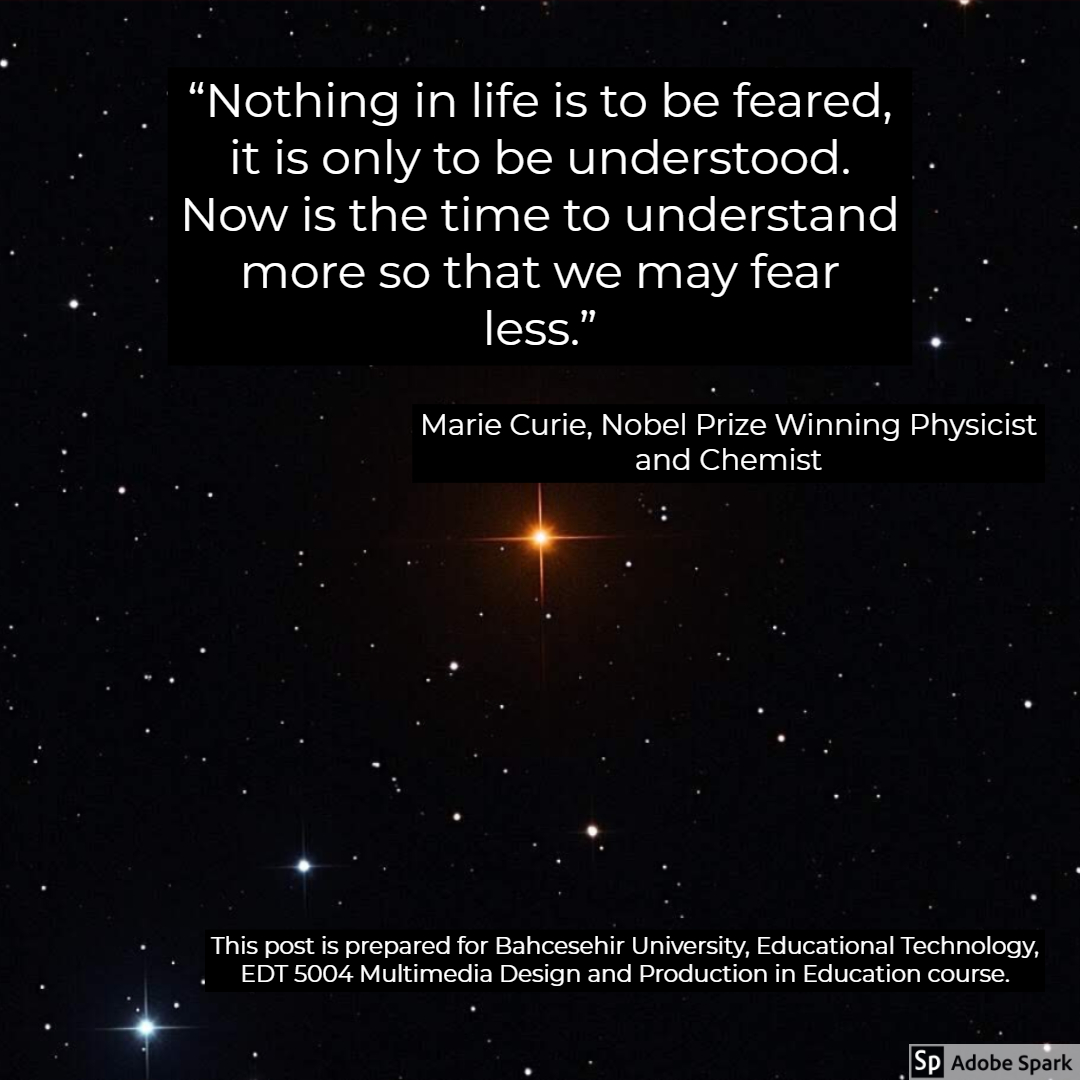
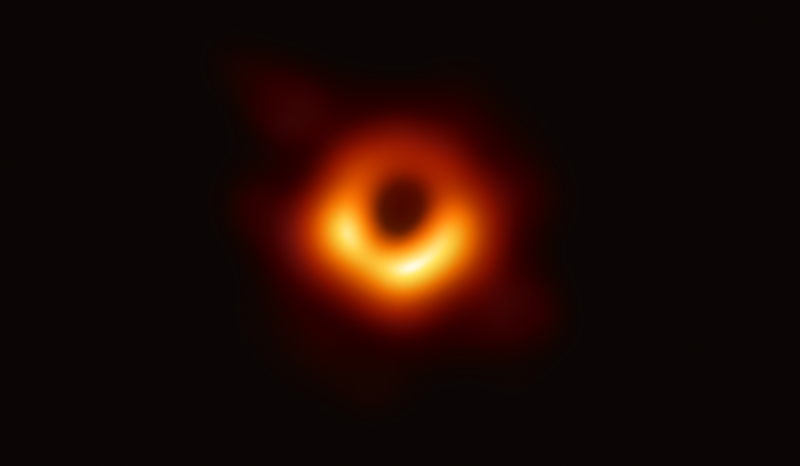
Gazing up at the universe and avoiding the black holes of fear a person has for the unknown, humanity has recently made one big step. Now, for the first time we have a high resolution image of a black hole. We have this image because scientists chose not be fearful of the immense and seemingly impossible work it requires to see the giant but chose to be curious and adventurous. Resolve to understand it surpassed any other. There, their courage and hard work gave its fruits.


Scientists have obtained the first image of a black hole, using Event Horizon Telescope observations of the center of the galaxy M87. The image shows a bright ring formed as light bends in the intense gravity around a black hole that is 6.5 billion times more massive than the Sun. This long-sought image provides the strongest evidence to date for the existence of supermassive black holes and opens a new window onto the study of black holes, their event horizons, and gravity. Credit: Event Horizon Telescope Collaboration

Below is a great video by Veritasium on the significance of this first ever image of a black hole:

Let’s keep on learning and looking beyond. There is still so much to learn…

A mindset to survive from shifting myths

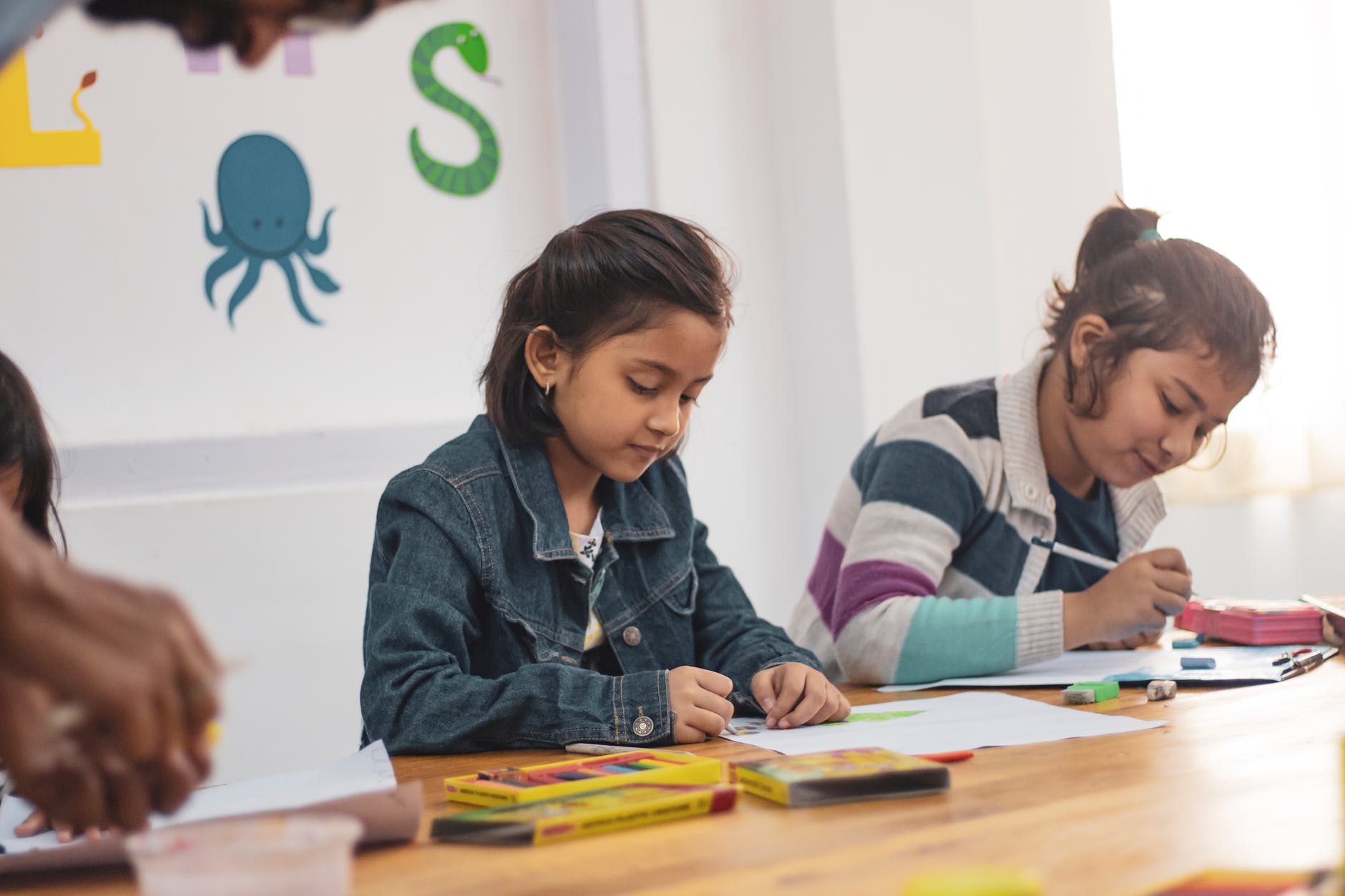
Photo by Pragyan Bezbaruah on Pexels.com

When she was a child math was the hardest subject for her. Because of her fascination and great interest in art, and when math doesn’t come to her naturally, she immediately assume that she is not talented in math. The situation was odd in how it assumes if one is successful in one, she is to be unsuccessful in the other. However, she didn’t realize anything out of ordinary in this way of thinking. So, after a while she gave up, with all these messages she got from her peers, teachers and test results that math is not her subject. Her first low grade was from Math in her report card which was devastating for her. The urban myth took over her wit.

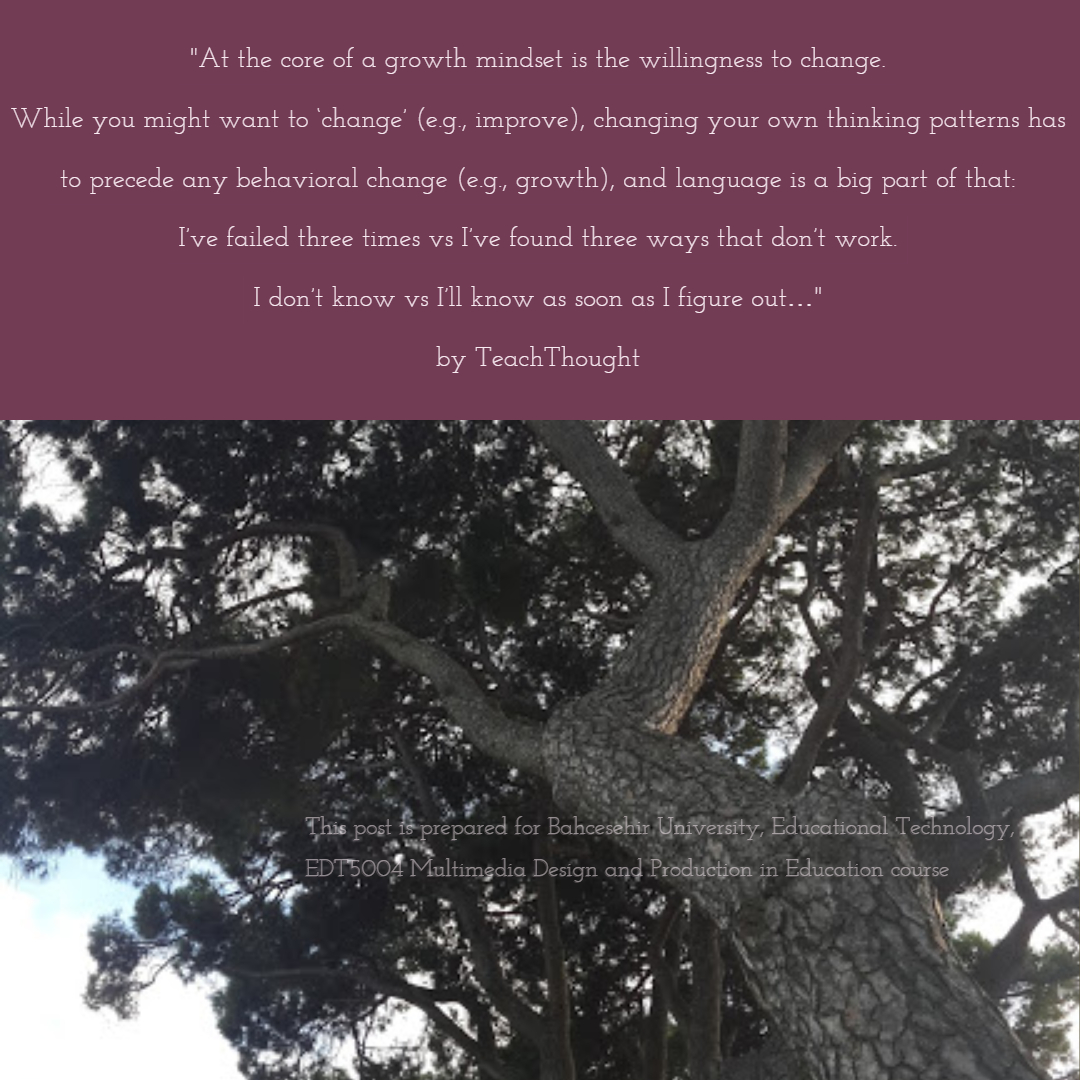
Prof. Carol Dweck’s findings on mindsets psychological trait and their pedagogical implications have quite profound insight into interpreting this story. Here, we saw expression of a fixed mindset. What would change if a student had a growth mindset? Let’s take a step back and define them and explore what might happen.

Someone with a fixed mindset would think abilities depend on some innate ability. The one with a growth mindset, on the other hand, would think that abilities are something that grow through practice. In fixed mindset, the effect of failure is huge because you tied that failure directly to your identity, that you fail permanently and completely. For someone with a growth mindset, the failure wouldn’t be such a serious existential issue, because it doesn’t say to her “you failed”, but merely “not yet“.

One great advice she gives to parents to nurture growth mindset is the following. I believe it’s equally relevant for educators:

If parents want to give their children a gift, the best thing they can do is to teach their children to love challenges, be intrigued by mistakes, enjoy effort, and keep on learning. That way, their children don’t have to be slaves of praise. They will have a lifelong way to build and repair their own confidence.

Carol Dweck

The idea that the F she got at the end of the term defines so much about her is debilitating. The overarching consequences of that failure in our education system strengthens this anxiety as well. Thinking that education is a continuum and an ongoing journey is liberating. Nonetheless, it’s a mindset that needs nourishment and care. Carol Dweck gives a motivational vision: “Picture your brain forming new connections as you meet the challenge and learn. Keep on going.” No worries, anyone who have lost it along the road can grow this mindset in time.

Education

What is education? This is a question that lingers on the minds of the greatest philosophers while it’s been told and retold by prophets for centuries. It’s a long journey through which we have to ponder upon while continuously walking. That’s why it’s tricky. A teacher needs to think retrospectively while acting on what she/he is doing expressively. 

Many times we wonder as we grow older what was the education we received at our schools really was. We consciously remember not from our lesson materials that easily and minutely, yet we remember what our teachers and friends makes us feel. We remember our arts classes, where we paint and sing. We remember the most excited participation of our peers and ours. Still, our memory does not consist of only what we remember, it’s also what we forget. Albert Einstein said “Education is what remains after one has forgotten what one has learned in school.”

A question: what is memory? How odd it feels that the simplest questions are the most difficult to answer. Memory is a very genuine thing. The more we try to explain, the less we understand. Scholars and scientists all try to explain a part, a section of this concept. As paradoxical as I may sound, all the work that’s made to understand this concept, I believe, still matters. There is abundance and clarity in knowledge. That’s why, still, scholars around the world are trying to explain what it all means.  

Yet, I feel that Einstein’s quote, without a proper interpretation, is not an easy thought to reconcile in one’s mind for those who suffer in school. It became a problem if taken literally without understanding what he really means. It requires an explanation. This is the situation we face when we read quotes in isolation.

Considering this, and now that I’m a master student studying Educational Technology, I’m intended to explore educational theory, thought and philosophy which is influencing our classrooms. We should make and build an environment, a class, a school and plan a lesson where our students feel safe but not oblivious to the real problems and concerns of our world. We need a school where students are actually learning how to think about the material. A school where teachers actually care for their students.

It is above all by imagination that we achieve perception and compassion and hope.

Ursula K. Le Guin

Teaching is one of the most difficult task one can easily imagine. It’s a task nonetheless, so we, teachers, think about education, we think about ways in which a lesson can be delivered beautifully, properly and engagingly. There are so many information and blog posts online made by teachers and academicians alike. Inshallah, we would be lucky to see the flowers of knowledge to bloom on this earth where we are dwelling only for a while.

What is the education that we seek at each and every step of our lives? Who are we listening and what are we pursuing in this world? Wars, poverty, corruption and pollution is reminding us the results of human recklessness, people are closer than ever before yet feel so distant to each other.. From as young as children to the elderly, people are suffering from depression. It’s a very challenging place, the world we live in, for learning something, anything. That’s why being a teacher is so difficult as well as being a student. It’s a great responsibility which we need to distinctly remember for a little while in our necessary forgetfulness during teaching. That’s why we waver but still go on..